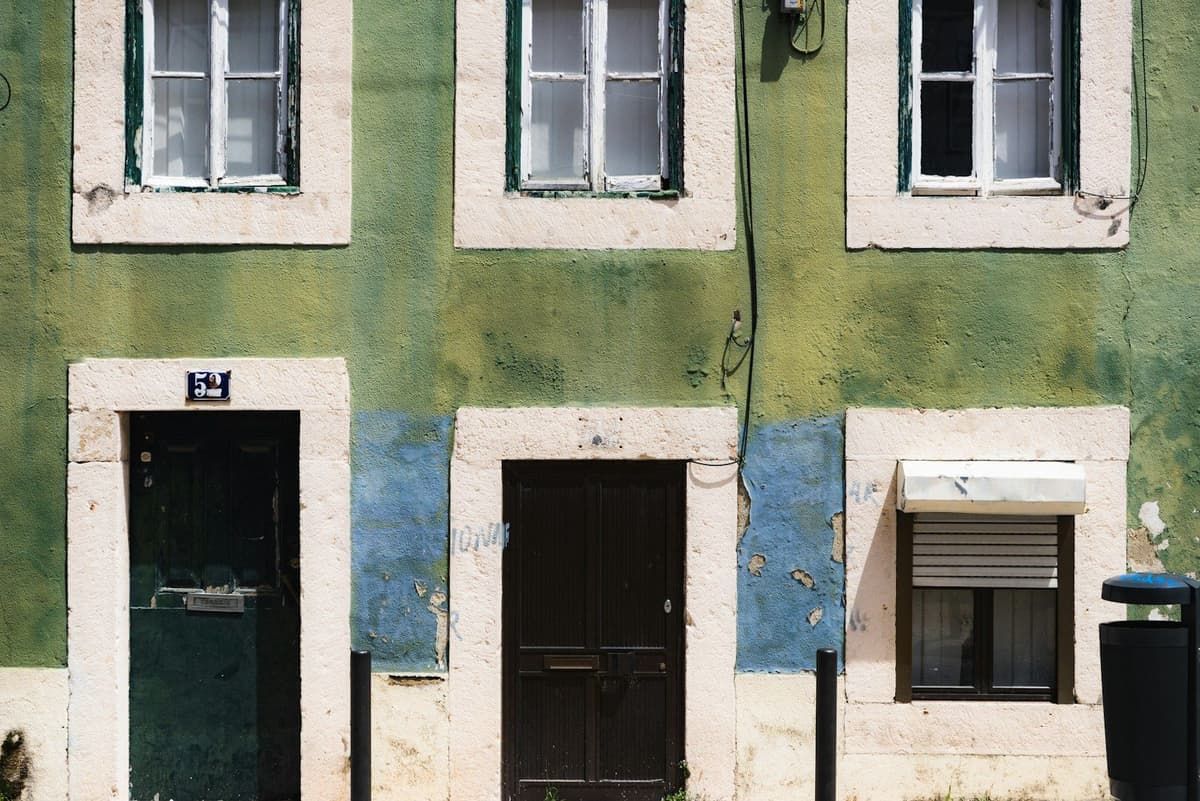
October is the month when many facades in Portugal still show accumulated wear from a long, dry summer, but it is also the last useful window before autumn and winter rains arrive with greater regularity. Small cracks, areas of loose paint, or degraded joints that went unnoticed during dry months become bigger problems once water begins to infiltrate repeatedly. Understanding what is worth checking now, and what can wait, helps avoid more costly repairs in the coming months.
Why October is the right time to inspect your facade
Seasonal forecasts for this autumn and early winter in Portugal point to above-average temperatures and a trend of precipitation also slightly above normal, particularly in the North and Centre regions, with October and November concentrating the most unstable periods. This means that despite an atypically dry and hot September, the rainy season should settle in more traditionally over the coming weeks, with successive Atlantic fronts from the Atlantic Ocean.
What repeated rain does to an already weakened facade
Small cracks can allow water to enter during autumn and winter, rapidly worsening damage.1 A crack that seemed harmless in August can, after several weeks of intermittent rain, become a moisture entry point that affects the plaster and later the interior of the wall.
Areas of the facade deserving close attention
- Expansion joints and finishes around windows and balconies
- Gutters and downspouts, which accumulate leaves and debris over summer
- Areas with little sun exposure, where drying is slower after each rainfall
- Corners and edges, where wind and rainwater strike with more force
It is important to regularly check gutters and downspouts, as leaves, moss and other debris can block rainwater drainage, causing it to overflow or accumulate against the facade; cleaning gutters before rainier periods helps prevent problems.2
EPS, traditional render or direct paint: what changes in inspection
Not all facades respond the same way to rain and weather. The type of coating influences both the warning signs to look for and how to intervene.
Facades with ETICS system (EPS)
The EPS system has a fiberglass mesh layer designed to prevent cracks, but this does not make it immune to wear. Before any repair, you should confirm whether the crack is superficial (finish shrinkage) or indicates a deeper problem in the system base, because the way to treat each case differs.
Facades in traditional painted render
Here the most common signs of wear are dust on the paint when touching the wall, small blisters, and areas where paint begins to peel at corners. In these cases, facade painting3 always requires prior surface preparation before any new coat.
Facades with signs of persistent dampness
When stains do not disappear even on dry days, or reappear always in the same spot after rain, the problem may not be merely cosmetic. In these cases, dampness removal4 should be evaluated before thinking of repainting, because painting over an active leak does not solve the cause.
| Coating type | Most common warning sign | Recommended action before winter |
|---|---|---|
| ETICS / EPS | Fine cracks near strips and corners | Evaluate if it is shrinkage or structural issue |
| Painted render | Paint peeling or dust on surface | Prepare and reinforce degraded areas |
| Any coating | Stains that reappear after rain | Identify source of dampness before painting |
| Joints and finishes | Cracks at windows, balconies, gutters | Seal and clean before regular rains |
How to request a facade repair quote without surprises
Many quotes for facades start from a simple measurement in square metres, but that value serves only as an initial reference. Two facades with the same area can be in very different states; one may have only surface wear while another may hide deeper cracks or loose render areas that only appear on closer inspection.
For this reason, a per m² quote is always indicative, never definitive. The final value can only be confirmed after the real condition of the surfaces has been assessed, whether through photographs and videos or through an on-site visit, with both methods working equivalently. On our platform, we always request photographs and videos of the facade before finalizing any quote, precisely to avoid surprises mid-project.
Also, once the professional has seen the space (via photos, videos or visit), all agreed scope is recorded online, visible to the client, the professional, and the platform, preventing misunderstandings about what was actually agreed.
What to do now: three practical steps before the first heavy rains
If the facade shows signs of wear, there is no need to wait for winter to act. These three steps help save time:
- Photograph problem areas now, while there is still natural light and dry days, to document cracks, stains or peeling paint before they worsen.
- Clean gutters and check finishes on windows and balconies, as small drainage blockages worsen infiltration during heavier rain episodes.
- Request an assessment before November, when, according to seasonal forecasts, atmospheric instability tends to increase in the North and Centre regions, making it harder to schedule exterior work with consecutive dry days.
By confirming that the professional is properly registered as self-employed or has a registered company, you reduce the risk of problems mid-project. That verification is something our platform already does before presenting any professional as an option.
Frequently Asked Questions
It is worth acting now. Cracks and degraded areas tend to worsen with repeated exposure to autumn and winter rain, so treating the problem early prevents it from worsening and becoming more expensive to repair later.
Normal dirt usually disappears with simple cleaning and does not reappear quickly in the same spot. If the stain reappears shortly after rain or never completely dries, it is likely there is a leak that needs to be identified before any painting.
It is not necessary to wait for a sunny day to request an initial assessment. A quote can be prepared from photographs and videos of the facade, and the final value is then confirmed when the real condition of the surface is assessed.
Not exactly. EPS has a mesh that helps prevent cracks, but it should still be inspected periodically, especially in strip and corner areas, where small cracks may indicate problems in the system base.
It depends on the extent and cause of the crack, but small targeted repairs are usually resolved in one to two working days, provided there are dry weather conditions for the applied materials to dry.

Ready to paint?
Get free quotes from verified local painters in minutes. No commitment.
Sources
External sources open in a new tab.
- Manutenção da Casa no Final do Verão: o que Deve Verificar Antes do Outonohomify.pt
- CASAS DE PORTUGAL: Viver no Minho — como proteger a casa da chuva e da humidadehomify.pt
- Pintura de Fachadaspinturasportugal.pt
- Remoção de Humidadepinturasportugal.pt