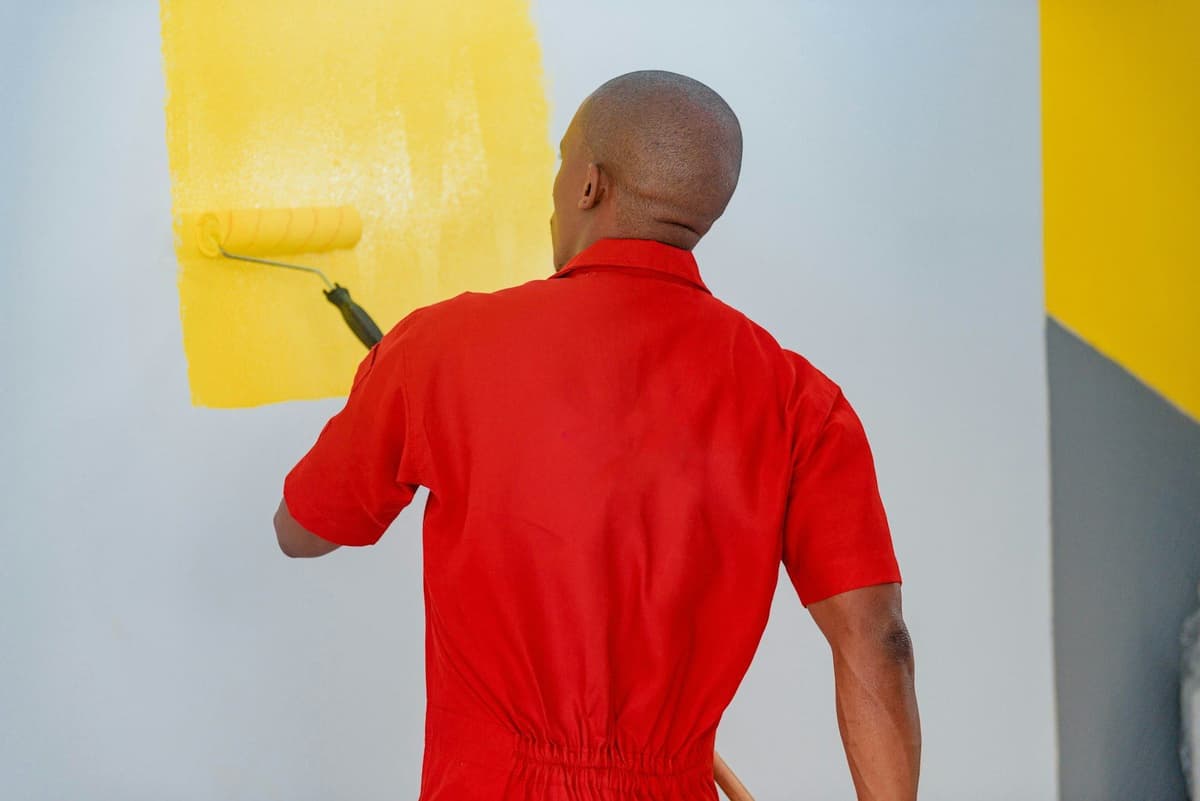
Painting a degraded wall without preparation is work delayed. Paint may seem fixed the next day, but within weeks the problem shows itself: bubbles, peeling, stains that reappear. The surface was not ready and the paint never had a chance to adhere.
Mold is a symptom, not the disease, and as long as the source of moisture is not identified, any paint is money wasted.1 Before opening the paint can, one must understand whether the wall is in a condition to accept paint, or whether the problem runs deeper than it appears.
How to recognise a wall that will not accept paint
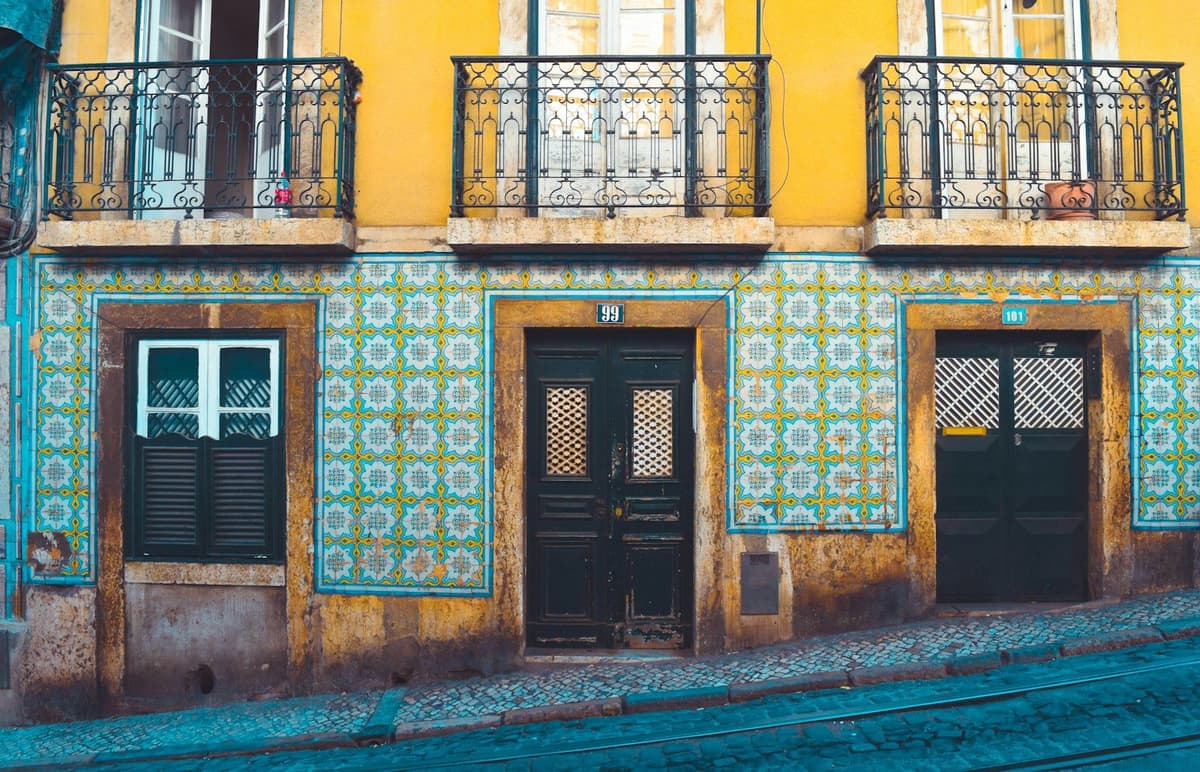
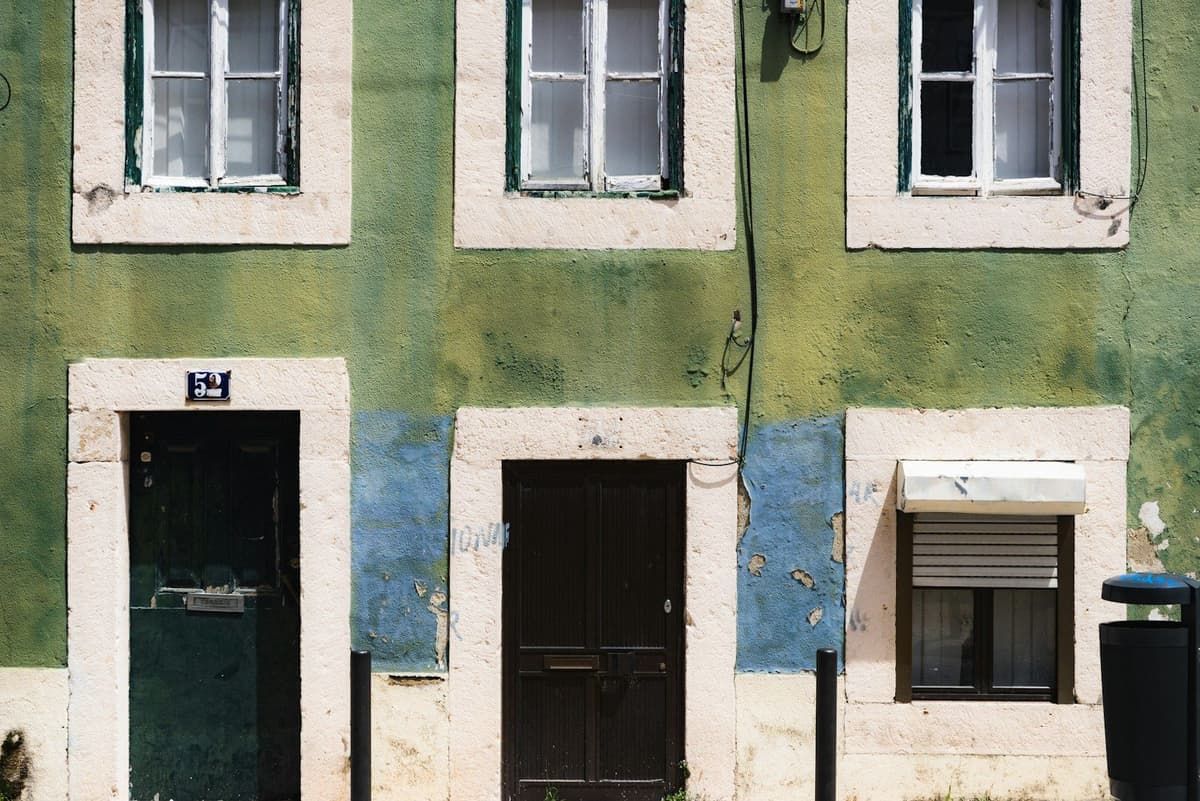
Some surfaces warn that they are not ready. Moisture can push the film outward and create bubbles2, especially when water comes from infiltration, capillary rise or accumulated condensation. Older homes in Lisbon, Porto or Braga, especially those with poor insulation and inefficient windows, face this problem frequently.
When running a hand across the wall and old paint comes off without effort, when there is a persistent smell of mold, or when the wall is cold and damp to the touch, painting at that moment is pointless. The new coat will not adhere and the work will be compromised before it dries.
Signs that the surface is degraded
- Paint that lifts in flakes when scraped with a putty knife
- Putty or filler crumbling without resistance
- Plaster that sounds hollow when tapped lightly
- Dark or greenish stains that reappear days after cleaning
- Wall cold and damp to the touch, even on dry days
- Efflorescence (deposits of white salts on the surface)
Before cleaning, it is essential to identify the cause of moisture. Otherwise, mold will reappear.3 Our platform always requests photos and videos of surfaces before closing any quote, precisely to avoid surprises in the middle of the work. A professional who sees the wall through those images can assess whether it is a case for painting, or if the intervention needs to start with structural repair.
Three types of moisture that prevent painting
Not all moisture is the same. Water can be in the wall for three different reasons, and each one requires its own solution before painting.
Condensation moisture
Moisture that exists inside the home, produced by us, and that condenses on cold surfaces. Cooking, showering, drying clothes indoors and breathing produce litres of vapour per day. When that vapour meets a cold wall, it deposits in droplets and mold takes hold.
It is the most common problem. It appears in cold corners, behind furniture pushed against external walls, or in poorly ventilated rooms. The solution is not just paint: it involves improving ventilation, reducing vapour production and, in some cases, thermally insulating the wall.
Rising damp
Typical of old buildings without an impermeable barrier, it manifests itself in a continuous band in the lower part of the walls, up to about one metre in height, with peeling paint and, sometimes, white salts on the surface. It requires specific technical intervention and is the most expensive to resolve.
This water rises from the soil by capillarity. Painting over it solves the problem for a few weeks, but the moisture always returns. The solution involves creating a physical or chemical barrier that prevents water from rising. Without this, any paint applied is doomed.
Infiltration moisture
Defects below windows, near the top floor ceiling or alongside pipes suggest infiltration. Water enters through cracks in the facade, through degraded window joints, or through pipes with leaks. While the source is not repaired, the wall will continue to be damp inside, even if the surface appears dry.
It is common in apartments on upper floors, on walls facing northwest exposed to rain, or in buildings near the sea where wind pushes water into cracks.
What the wall needs before accepting paint
A degraded surface does not become ready for painting just because mold is cleaned or loose paint is scraped. Depending on the cause, preparation can include several stages, some of them mandatory before touching the brush.
| Problem identified | Preparation required | Can paint immediately? |
|---|---|---|
| Surface mold without active moisture | Cleaning with fungicide, complete drying | Yes, after 24-48 hours dry |
| Recurring condensation | Improve ventilation, apply anti-moisture primer | Only after 3-5 days without condensation |
| Rising damp | Create impermeable barrier, wait for drying (2-4 weeks) | No, until cause is resolved |
| Active infiltration | Repair source (facade, window frame, pipe), dry wall | No, until wall dries completely |
| Hollow or degraded plaster | Remove damaged plaster, redo support | No, until plaster cures (minimum 14 days) |
| Efflorescence (salts) | Brush, wash, apply salt blocker | Only after treatment and drying |
Each situation requires a different approach. There are walls that refuse paint not due to moisture, but due to preparation problems or incompatible materials4. This is why knowing what one is painting is as important as choosing the right paint.
On our platform, professionals always assess the real condition of surfaces before confirming the quote. This can be done through detailed photos and videos or a site visit, both with the same rigour. The goal is to avoid starting work that has no chance of success.
How long does it take for a wall to be ready for painting
There is no single answer. It depends on the type of moisture, the thickness of the wall, the climate of the region and the work carried out. A wall that was washed to remove surface mold can be ready in 48 hours of dry time. A wall with active infiltration may need weeks to dry after the leak is fixed.
In cities like Porto, Braga or Viana do Castelo, where moisture is more persistent, the weather changes with little warning and thermal fluctuations between day and night can be large5, drying is slower and less predictable. In Faro or inland Alentejo, with lower relative humidity, the wall dries faster.
Practical rules to know if the wall is ready
- Touch the wall at various points. If it is cold or damp, it is not dry.
- Use a moisture meter (contact hygrometer). Values above 5% in masonry indicate active moisture.
- Observe the wall for 3-5 days without intervention. If stains return, the cause has not been resolved.
- Wait at least 7 days dry after repairing the source before applying primer.
- Do not force the timeline. Painting a wall that is still damp is guaranteeing the problem returns in weeks.
Correctly identifying the type of moisture before starting any work saves money and avoids repainting the same wall6. An experienced professional knows how to wait for the right time, even if that delays the start of painting.
Painting does not resolve structural problems
The temptation to cover a degraded wall with a coat of paint always exists. It is quick, seems cheap, and the wall looks better immediately. But if the surface is not ready, the result does not last.
Moisture is one of the main causes. Coming from infiltration, from water rising from the soil by capillarity or from condensation forming on cold walls, it can push the film outward and create bubbles. This process can take days or months, but it happens whenever the source has not been treated.
Our platform guarantees that all presented professionals are properly registered as self-employed or have an incorporated company. This means they have proven experience and know the limits of what paint can or cannot resolve. When the quote includes surface preparation, that preparation is described and quantified, and forms part of the agreement visible to client, professional and platform.
Payment always works the same way: 50% at the start (to reserve the date and purchase materials) and 50% at the end, after the work has been verified. This model protects both parties and ensures that no one pays for a result that was not delivered.
Frequently Asked Questions
No. The smell indicates that there is active water in the wall or mold growing inside the structure. Painting under these conditions does not resolve the problem and the paint will peel or bubble within a short time. One must identify and correct the cause, let the wall dry completely and, only then, move forward with painting.
It depends on the thickness of the wall, the climate and the extent of the infiltration. As a general rule, wait at least 7 to 14 days of dry time after the source has been repaired. Use a moisture meter or ask a professional to confirm that the wall is dry before applying any product.
No. None of them eliminate what causes the stains, only temporarily mask the symptom. Paints specific for humid environments help prevent surface mold, but do not block water that rises from the soil or enters through infiltration. The solution always involves correcting the source before painting.
Tap lightly on the wall with your knuckles. If the sound is hollow or if the plaster moves, it is loose or degraded and needs to be removed and redone. Painting over hollow plaster is waste: the paint will follow the plaster when it falls. A professional identifies this problem when assessing the wall, whether by visit or through detailed videos.
With care. Heaters help reduce ambient moisture, but should not be used directly on a wet wall, because rapid surface drying can trap moisture inside. The ideal is to ventilate the space well, use dehumidifiers if necessary and let the wall dry naturally, monitoring progress over several days.

Ready to paint?
Get free quotes from verified local painters in minutes. No commitment.
Sources
External sources open in a new tab.
- Bolor nas paredes: como identificar a origem antes de pintar por cimaforeveryoung.sapo.pt
- Tinta a descascar na parede: causas e como reparar — idealista/newsidealista.pt
- Bolor nas paredes: como limpar rápido e eliminar a humidade? — idealista/newsidealista.pt
- Quando o problema não é só humidade: paredes que não aceitam tintapinturasportugal.pt
- Pintar fachada em Portugal: quando o clima ajuda ou complicapinturasportugal.pt
- Três tipos de humidade que impedem a pintura e como identificarpinturasportugal.pt